"Three years ago the juice price was R4,500 to R6,000 per tonne of Valencias, now you'd be lucky to get R800 a tonne," Leardt van der Burgh, head of commercial at FruitOne, told FreshPlaza on 22 July. "When we were up in Limpopo the week before last, I saw holes being dug for unwanted fruit. That's the reality."
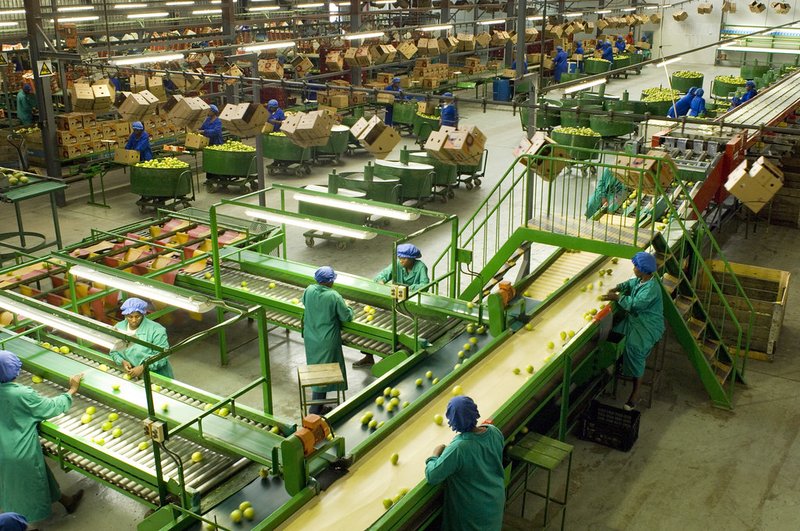
FruitOne farms 13 citrus properties in Limpopo and exported 2mn cartons of Valencia oranges last year. When the processor stops, the packhouse behind it stops too, van der Burgh said.
Growers were paid an average of R3,733 a tonne for oranges delivered to processors in the 2023/24 marketing year, at the top of the juice boom, against R643 in 2021/22, on Citrus Growers' Association figures published by the US Department of Agriculture's Foreign Agricultural Service. R800, or about $48, would be a return to the level that prevailed before Brazil's crop failures lifted the market.
The orange-juice future tracked in the International Monetary Fund's primary commodity price system averaged $5.10 a kilogram in December 2024 and $1.56 in June 2026, a fall of 69 per cent, on data accessed via Cropli.
The factories are sitting on close to two years of sales. FAS Pretoria put closing stocks of orange juice at 42,563 tonnes at the end of the 2024/25 marketing year, up from 26,383 a year earlier. Deliveries of oranges to processors fell to 402,000 tonnes from 524,000, and FAS forecast a further drop to 367,000 tonnes this season.
Van der Burgh attributes the build-up to American tariffs. The United States imposed a 30 per cent tariff on South African goods, orange juice among them, in August 2025, then exempted both oranges and orange juice in November, FAS Pretoria recorded in its Citrus Annual. The juice tariff came off nine months ago and the inventory it helped build has not cleared.
The fresh market is not moving with the juice market. South African Navel oranges averaged €1.67 a kilogram on the Rungis wholesale market outside Paris between June and 7 August, against €1.73 over the same weeks last year, on quotations accessed via Cropli. South African lemons averaged €2.49 against €2.23, the highest June-to-August mean in a series that begins in 2014, and grapefruit €0.64 against €0.69. The 48.7 per cent drop in orange prices reported across the trade press this month is the World Bank's global orange benchmark, at $0.78 a kilogram in July against $1.52 a year earlier, not a South African realisation.
Importers describe a season that started strong and turned. "At the start, the product was in high demand with correspondingly high prices, while oversupply and low prices now characterize the current market," said Henry Lührs, citrus product manager at the Hamburg importer COBANA, who said grapefruit consumption had been sluggish since the season opened and that the company cut shipments from mid-June.
The CGA cut its 2026 export estimate by 4.1mn cartons to 205.3mn 15kg cartons on 5 August, still more than any previous season. Grapefruit is where the two markets meet: Class 1 and 2 volumes are running below previous years while the volume destined for processing is higher, the association said.
Europe is the largest outlet for the fresh crop, taking 441,916 tonnes of South African oranges in 2025, the most since 2020, on Eurostat figures accessed via Cropli. South Africa ships almost nothing there before June, so the current season does not yet appear in those returns.
The crop was grown between two record floods at opposite ends of the country. Tzaneen, in the Limpopo citrus core, recorded 664.9mm of rain in January against a 168.6mm normal, and Letsitele, 30km away, 614.8mm, beating its own January record by 60 per cent. Every citrus monitoring point in the Eastern and Western Cape then had its wettest May on record, Patensie taking 212.9mm as the Kouga Dam upstream filled from 32 to 119 per cent of capacity in a little over 18 hours. Both months were the wettest in 87 years at those points, on ERA5 reanalysis data accessed via Cropli.
"The floods destroyed export-quality fruit and wiped-out entire crops for some growers at the peak of the season," FAS Pretoria wrote on 21 May, estimating that 10 to 12 per cent of production had been affected — an order of magnitude above the 2 per cent the CGA has since taken off its carton estimate. January's waterlogging had already stopped growers spraying for citrus black spot, the disease that governs South African access to the European market, the post reported in February.
The rand, budgeted at R18.50 to the dollar in December, was at R16.50 by January, van der Burgh said: "that immediately removes R20-plus per carton from your income back on farm."
Valencias, the largest of South Africa's orange categories and the variety the juice factories take most of, are packing now. The CGA expects the peak over the next two to three weeks, and said the season could run longer than usual.

